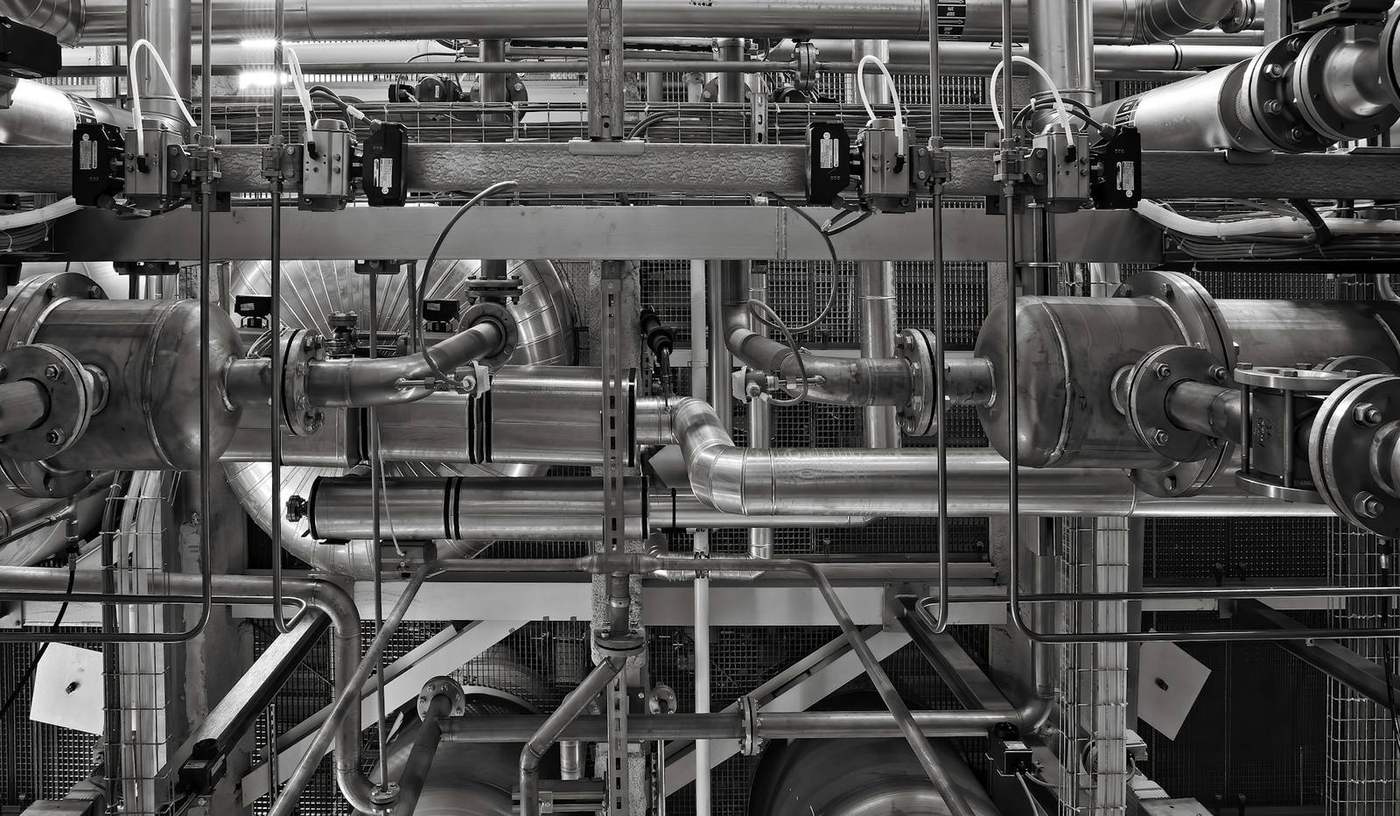
The useful draft starts at the equipment, with the person who runs it, in the order they do the work. That sequence is often still in someone's head. The procedure's job is to get it onto a page and check it against the process safety information.
29 CFR 1910.119(f) and, for a Program 3 process, 40 CFR 68.69 both require clear instructions consistent with the process safety information. Operator memory is a source for the order of work. It is a poor source for an operating limit the PSI does not support.
What to write down on the walk
Walk the job. A conference-room interview is not a walkdown. At the equipment, write what the operator does, in order, in their words. Clean the sentences later. If you clean them during the walk, you will substitute your vocabulary for the label on the valve.
For each action, capture these when they exist.
The action, aimed at a named component. "Open the inlet" is not enough if three inlets are in reach. Use the label the operator uses, then check it against the drawing.
The indication that the action worked. A gage, a light, a sound, a level, a flow. If the operator says "you'll know," ask what they look at. If they cannot point to an indication, the step is not ready to write.
The limit, if this action depends on one. Write the number they state, and write where they believe it comes from. Compare it to the PSI later. Leave their number in the notebook.
The consequence they are avoiding. "If you open that with the discharge shut, you deadhead the pump." Keep the sentence. It is the consequence of deviation, said in the language of the work.
The safety system that has to be in a given state. Scrubber running. Detector in service. Blind in place. Permissive made. If they check it, it belongs on the step. If they are supposed to check it and do not, write that down. Do not drop it so the draft looks smooth.
Mark the phase. A walkdown of a routine start does not document emergency shutdown, temporary container changes, or startup after a turnaround. Those are separate walks, or the set will drop the phases in 1910.119(f)(1)(i) and 68.69(a)(1).
Where the notes stop being the authority
After the walk, lay the notes next to the process safety information, the piping and instrumentation drawings, and any procedure you already have. You are looking for conflicts.
The order in the notes is safe and the old procedure is not. Use the order the operator demonstrated, if it matches the PSI and the drawing. Update the procedure. 1910.119(f)(3) requires the procedures to reflect current practice.
The limit in the notes does not match the PSI. Do not average them. Find out which number the facility intends to operate within, correct the wrong source, and write that number. A walkdown note does not authorize operation outside the limit in the PSI. A PSI number nobody can find on a gage is not a limit the operator can use. Fix the instrument label or the text so they meet.
The notes describe a lineup the drawing does not show. Either the drawing is behind the plant, or the lineup never went through management of change. 1910.119(l) is how changes to equipment and to procedures are supposed to be managed, including updates to the operating procedures when the change affects them. Writing that lineup into a new SOP, with no change record, hides a change. Say so on the draft.
One format, then a second walk
Notes are not a procedure. They use three names for one valve, and they skip the indication the operator pointed at while you were writing. The draft turns them into numbered steps, in the order of the work, with the limit, the consequence, and the corrective step on the step that needs them.
I use software to get structured notes into a first draft. The software does not know your limits. If the note had no limit, the draft must not grow one. If the note conflicted with the PSI, the draft has to show the conflict. I check every limit against the PSI before I call the page a procedure.
Take the draft back to the equipment with operators who did not write it, if you can. Read the step aloud. Perform it only as the facility's rules allow. The point is to find the step that cannot be followed as written.
Comments from that walk go into the draft before approval. Approval stays with the facility's subject-matter experts. They are the approvers of record. Keep the notes. When the annual certification asks whether the procedures are current and accurate, the notes, the change records, and the draft history are how you answer.
I write operating procedures for water, wastewater, and chemical plants. Your experts approve the procedure. Your facility does its own annual certification. This article is general information, not legal advice.